Artist Spotlight – Alison Perez

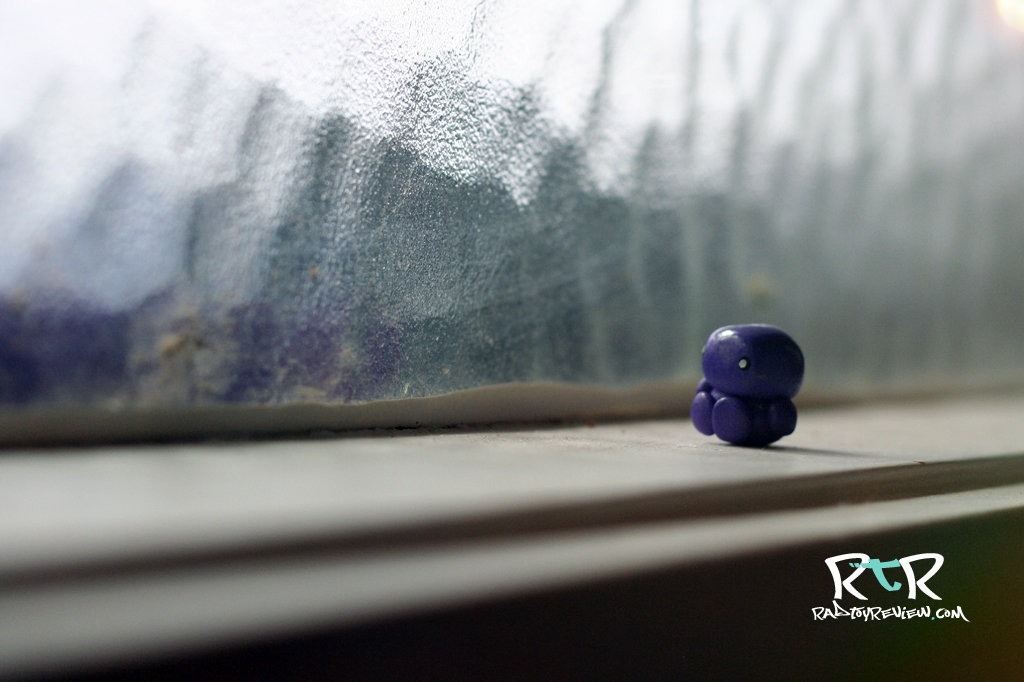
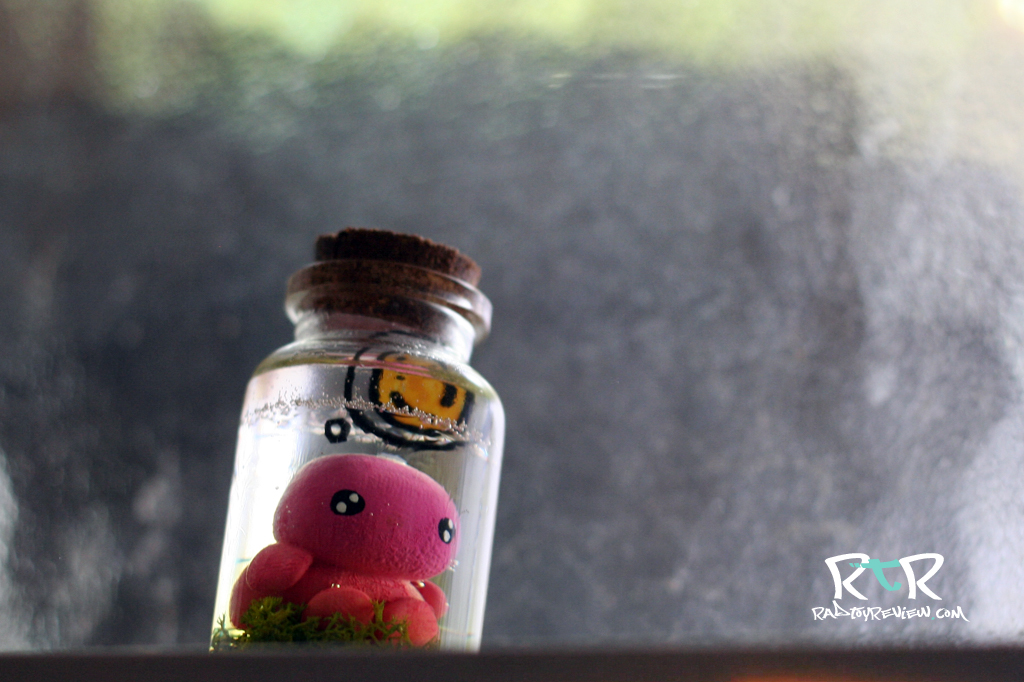
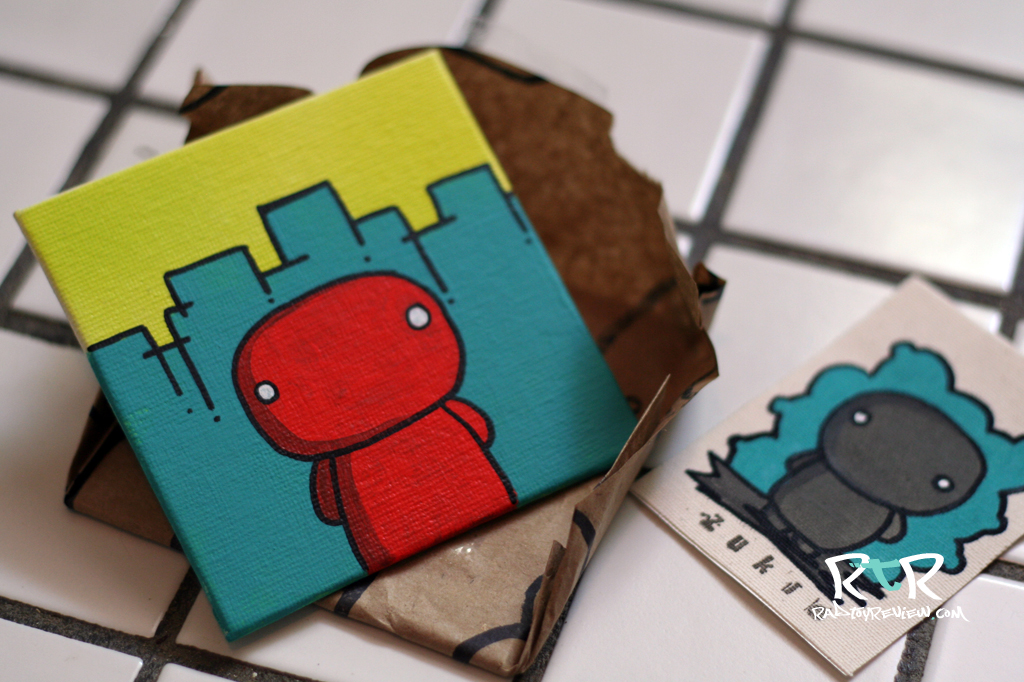
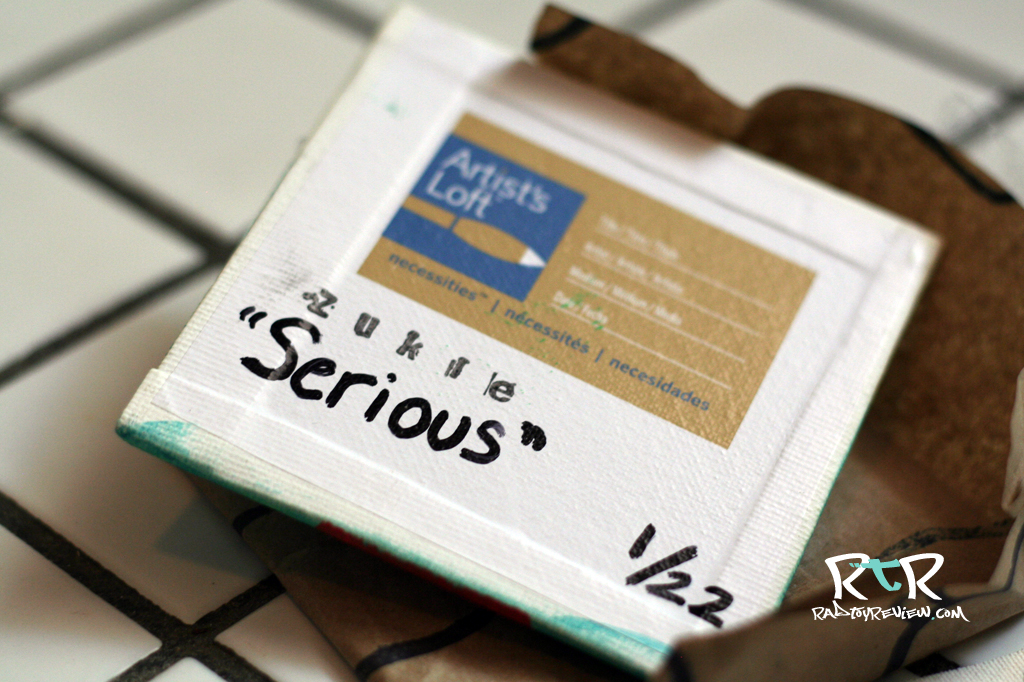
Today’s artist spotlight is the talented Miss Zukie, also known as mild mannered Ms Alison Perez. She’s been making her impact in the art toy world with her cute and colorful Zukies. Very recently, she simultaneously broke into the vinyl and the custom art scene by releasing her first DIY Zukie! The one thing that’s really struck me about Alison, is just how driven she is to get her creations out there to you. Please take some time to check out her site and order a few of her toys for yourself or loved ones!

– Knives

Hey! To start things off right, can you please state your name and a tell us a little about yourself.

MZ – Well my given name is Alison, but my artist name is Miss Zukie. I’m a contemporary artist and the creator and toy designer of a character I call Zukie. I started drawing at the age of 7 and never stopped. I was an AP Honors in Art in high school and just graduated from C.W Post University with my BFA. I work with different techniques like airbrush, wood work, water color, etc… I like to learn different methods to enhance my ability as an artist.
Tell me a little about Zukie. What inspired them?

MZ – Zukies where created 2 years ago. Zukies are mysterious characters that do not talk; they have thought bubbles and facial expressions. Zukies are about color. In my life color has always been a way to express feelings. I want people to understand that using the vocal fold for communicating is not necessary. Nonverbal behavior increases the bond between people and is an intimate way of communicating with each other. Zukies intend to generate emotions through their visual thoughts and thats how they create that bond with us. Zukies come from garbage. Years and year of decayed garbage an egg  is formed.  Something so ugly turns into something beautiful.

What inspired me? Well I took a trip to Florida and stopped by this gallery where I saw amazing artwork from an artist named Fabio Napoleoni. He also has a character.

Oh? What’s his character’s name?

MZ – His characters don’t really have names, what inspired me was the colors and what his paintings meant. As I read in his bio his painting are about his daughter and how he loves her.
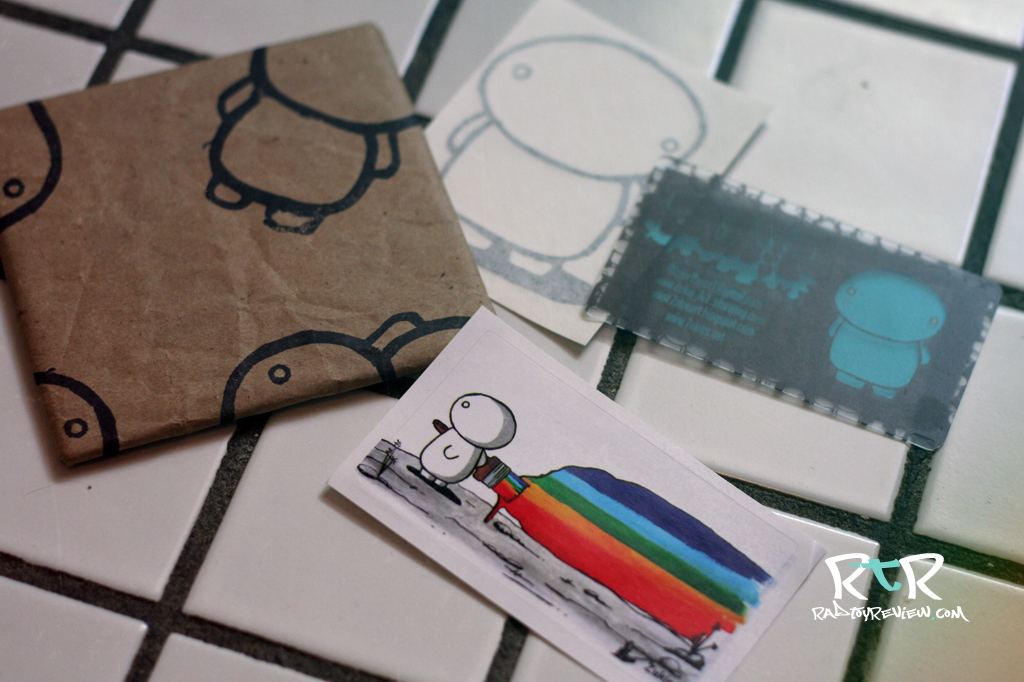
How long have you been making your own toys? What started you down that path?

MZ – This is the first year that I have a vinyl toy in selected stores.
I just entered the vinyl toy scene last year and it’s very new to me but I learn fast. Two years ago, I created Zukie and I never really told anyone until earlier last year.

Can you talk about your technique at all? Your process? Do you do all the creations yourself beginning to end?

MZ – I started out making my first mother mold. Size about 4″ tall . This first series was made in plaster of which I made 56. Then I just thought to my self “what’s the point in spending all that money for supplies when I can save up and have my own toy made for me?” As for the process of how my character became vinyl …basically my lawyer did all the work. It really is hard to find a company that’s trust worthy. And that’s why I hired a great lawyer to make sure I protected myself and my character. It was about a year process. As for the company I worked with to see them produced, I just send them some photos and have had constant discussions with them about what I want. It’s important to find a good company who will support your ideas. It’s also a pretty expensive process but it was worth it.
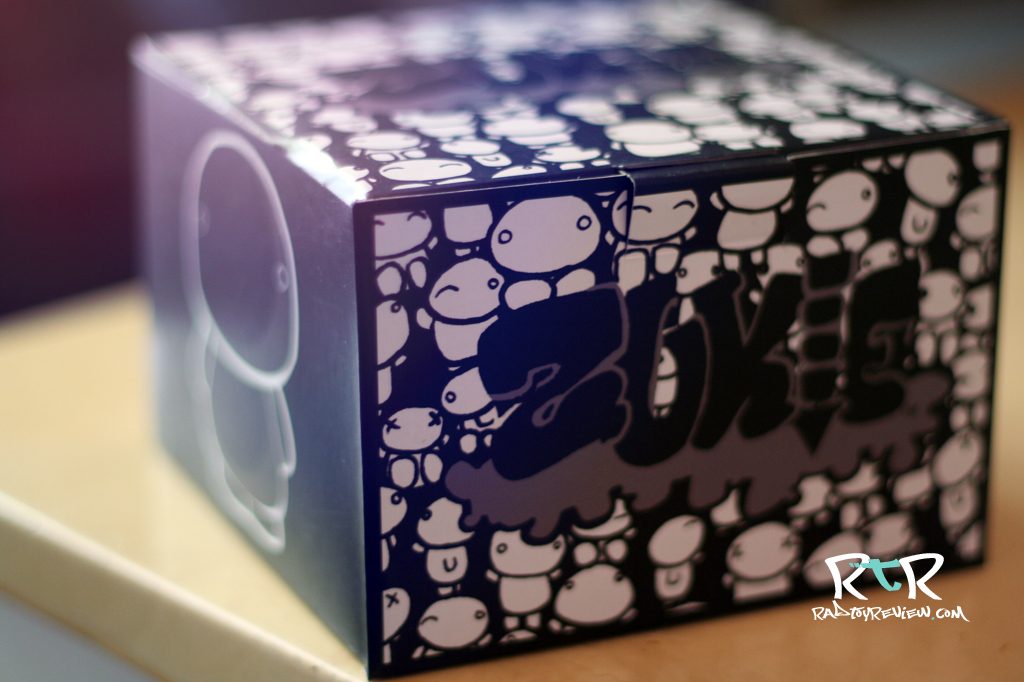
How many different varieties do you have currently in production?

MZ – Right now its just one vinyl figure. Probably later I’ll have another version of the Zukie made.
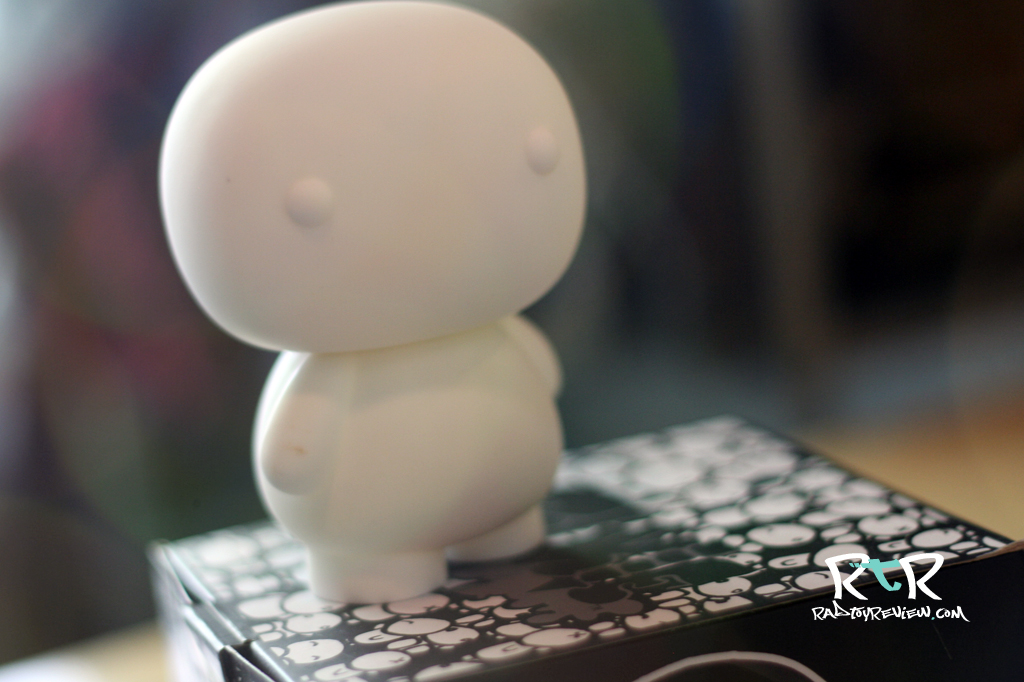
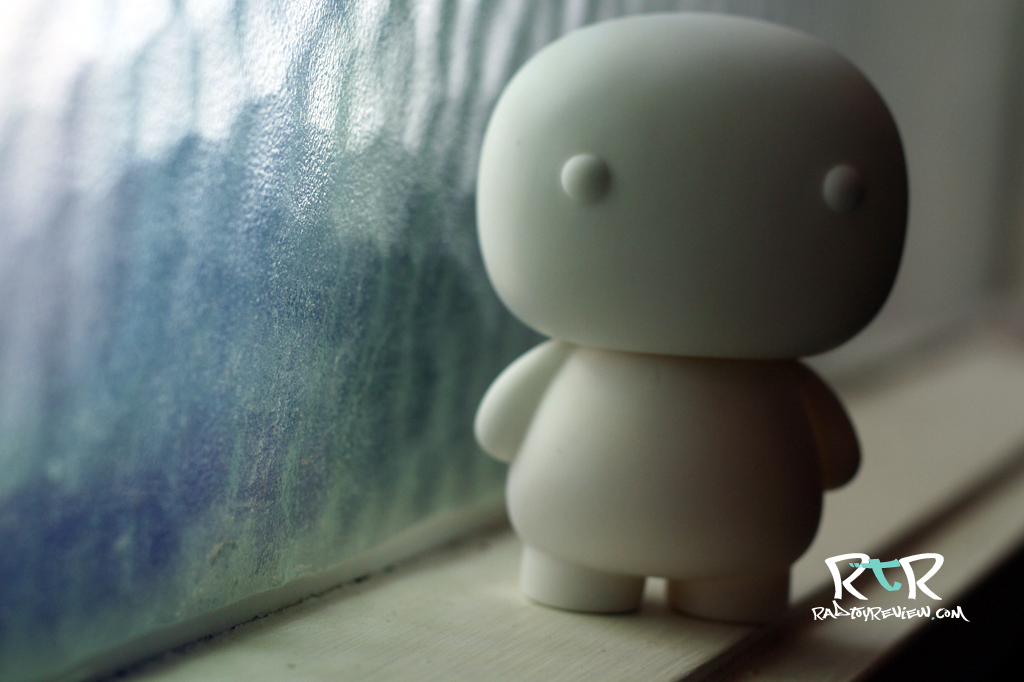
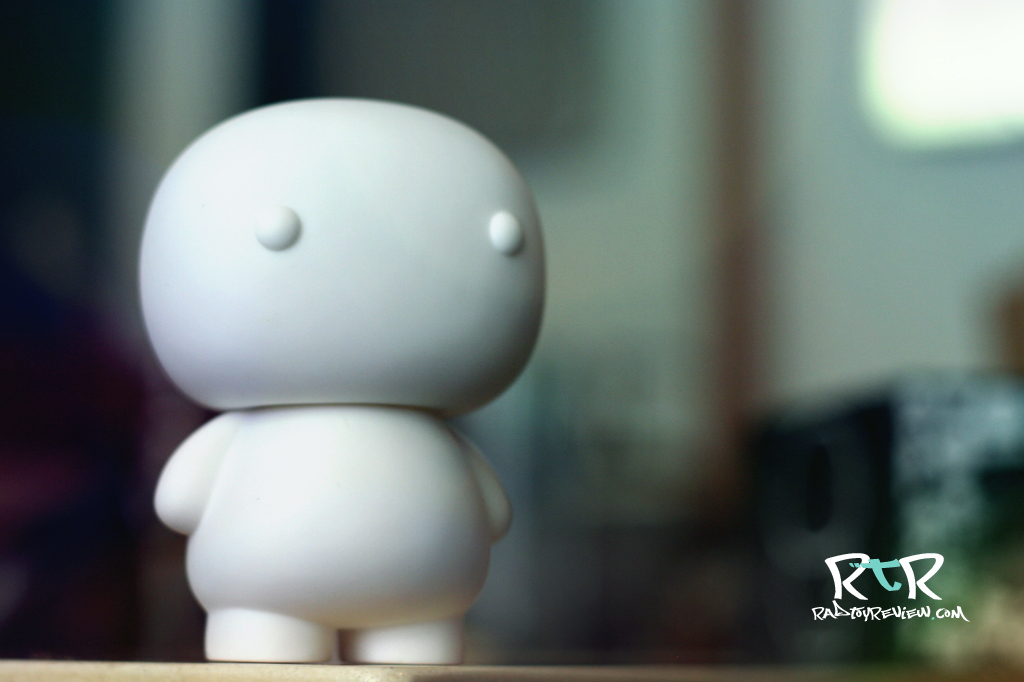
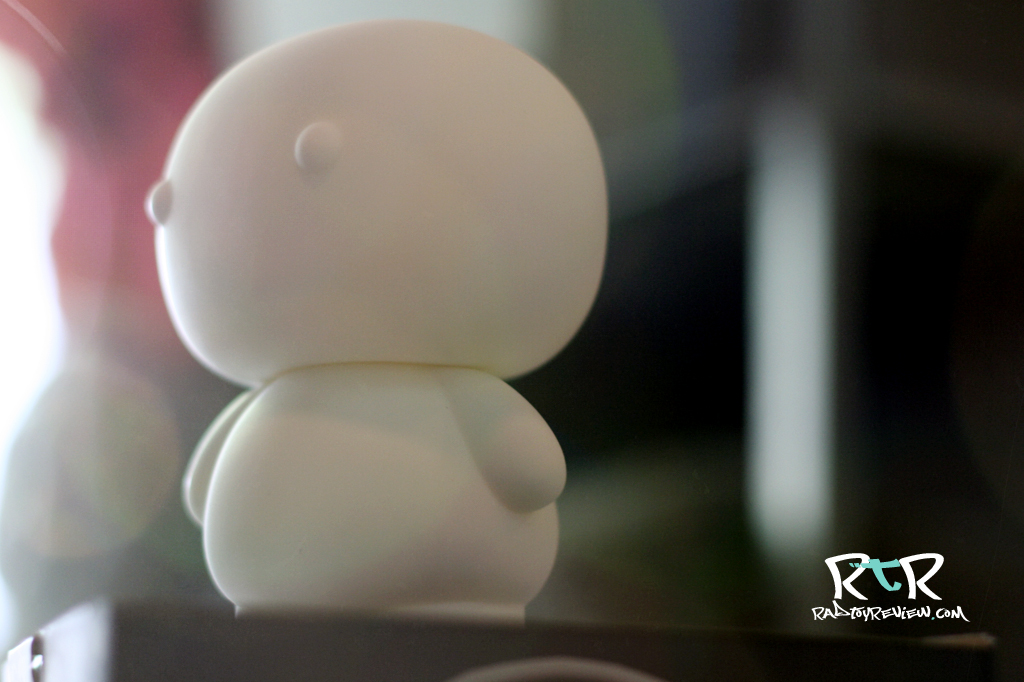
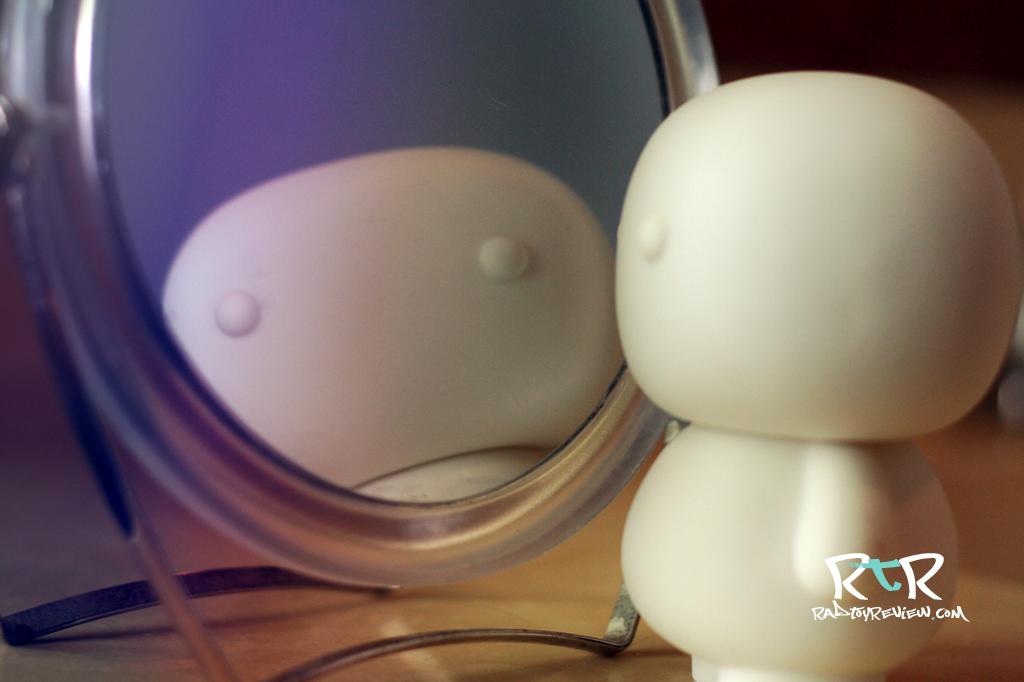
I really like the DIY Zukie you sent me.. I hope they’re a big hit for you. They’re so simple, a little like a blank canvas.. something anyone could paint or change into anything.. and yet they still have that touch of character that’s entirely yours. Was this your goal or part of the idea when designing Zukie?

MZ – The DIY Zukie was a part of my main goal. The other half of my goal is to see other artist create a Zukie with there own style. A part of my personal goals, which is a pretty big part is having many shows around the world.
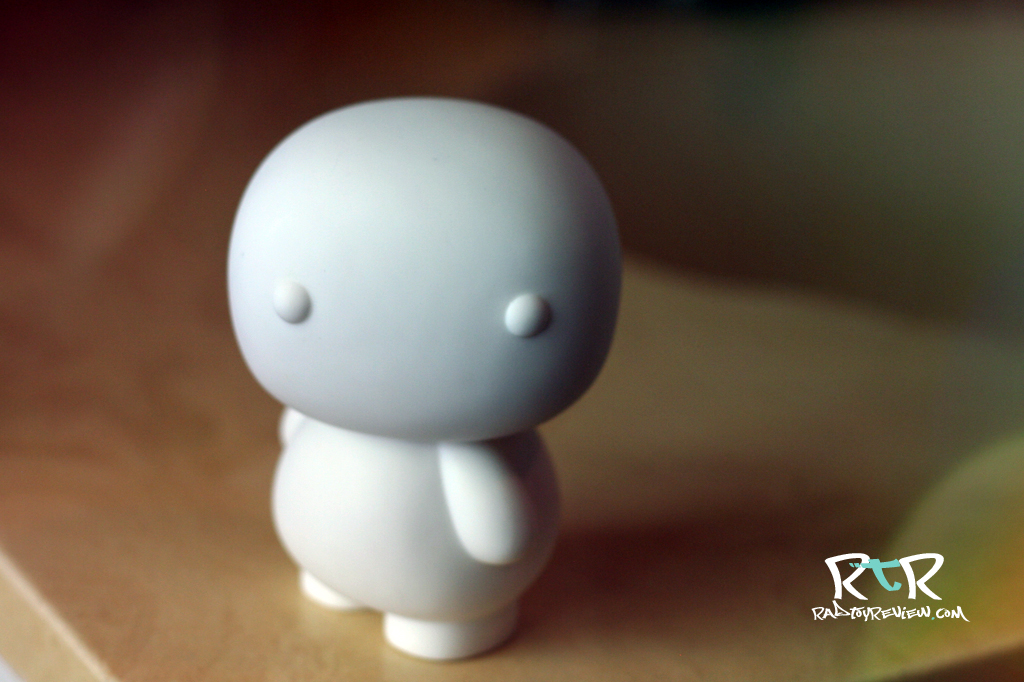
 Are the DIY Zukies limited or made to order?

MZ – They are made to order. You can get the DIY Zukies in my shop at www.zukies.net, Yukifish in Germany, The OutLand Store in the Neverland’s and ToyTokyo in Manhattan. There will be more stores added to the list. But even with that small list, Zukies are half way around the world ^_^.
What other designers/artist are you inspired by?

MZ – I would have to say I learn from everyone, Rsin, CashCannon, Matt Anderson, We Become Monsters etc. (our interview here)
But I would like to give a special thanks to ZAM ART  who was the first person to give me info and show me the game of vinyl toys. He help me out and answered all my questions when I needed them.
Where do you hope to see yourself in 10 years? What are some aspirations/plans for your future toys? Do you have any other types of toys in the works beyond Zukie?

MZ – I hope to see myself living life creating art. It’s hard for me to see my self not doing something I love. As for plans I can say I plan as I go. As of other toys not Zukie related I have some ideas. 😉

Star Wars or Star Trek? Why?

MZ – Hahaha I pick Star Wars. I was always a fan of the movies. I grew up with Star Wars as my dad is a fan so he bought most of the toys and movies.

You get one super power for a single day, what would it be and what would you do while you had it?

MZ – I will I have to say teleportation!!!!! I could go anywhere. The first place would be Japan . I always wanted to go there experience the beautiful colors and architecture.
Where can folks go if they want to look at and purchase some of your creations themselves?

MZ – My web site is WWW.ZUKIES.NET and they can find my shop, blog spot, and Facebook fan page for updates.

Thank you Alison for the various Zukie pieces you sent me and the lovely painting! I wish you all the success in your upcoming shows! Speaking of which, would you care to share some of those details?

MZ – I would like to announce that I am having a big show called “Zukie Vs. The World”. I invited many talented artist to participate in this show. The show will take place at ToyTokyo Underground Gallery in NY. More Details later on .
For updates follow:

Facebook: http://www.facebook.com/ZukieART

Website: www.zukies.net 

Store: http://zukie_art.storenvy.com/

Thank you!
If you’re an independent artist and would like to be considered for a feature here on RtR, please don’t hesitate to shoot us an email with a link to your website/art samples and tell us a little about yourself!

.

.

.

.

.

THE WORKSHOP – MK 2.1 Square by Paul Benson

I’m happy to be able to bring you the step by step process of one of Paul’s most impressive custom projects yet, The MK 2.1 Square. I was blown away when I saw the finished piece and asked Paul if he’d mind putting something together for us to glean a little wisdom from. Grab your least favorite toy, an X-acto blade and some super glue and follow along!

Also, please don’t hurt yourself..

Enjoy!

– Knives

MK 2.1 Square
Although folks may not want to do a conversion like this one, hopefully the techniques I have used may help people to do their own thing. Certainly, by my reading of workshop articles on various websites and magazines, I have learned how to do things over the years.

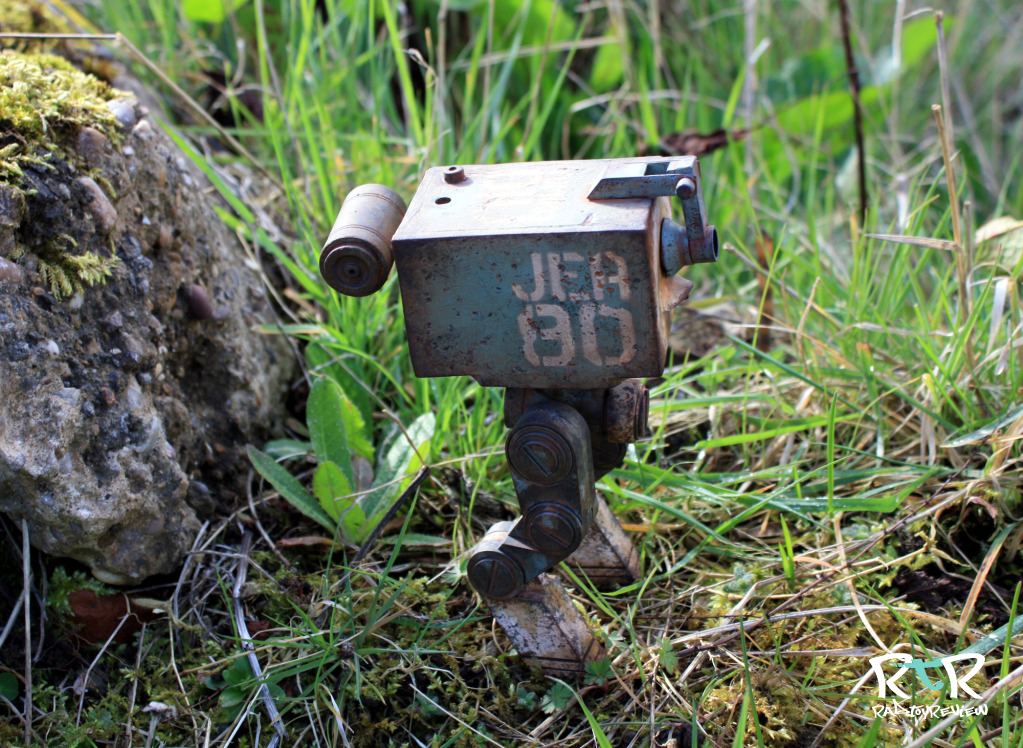
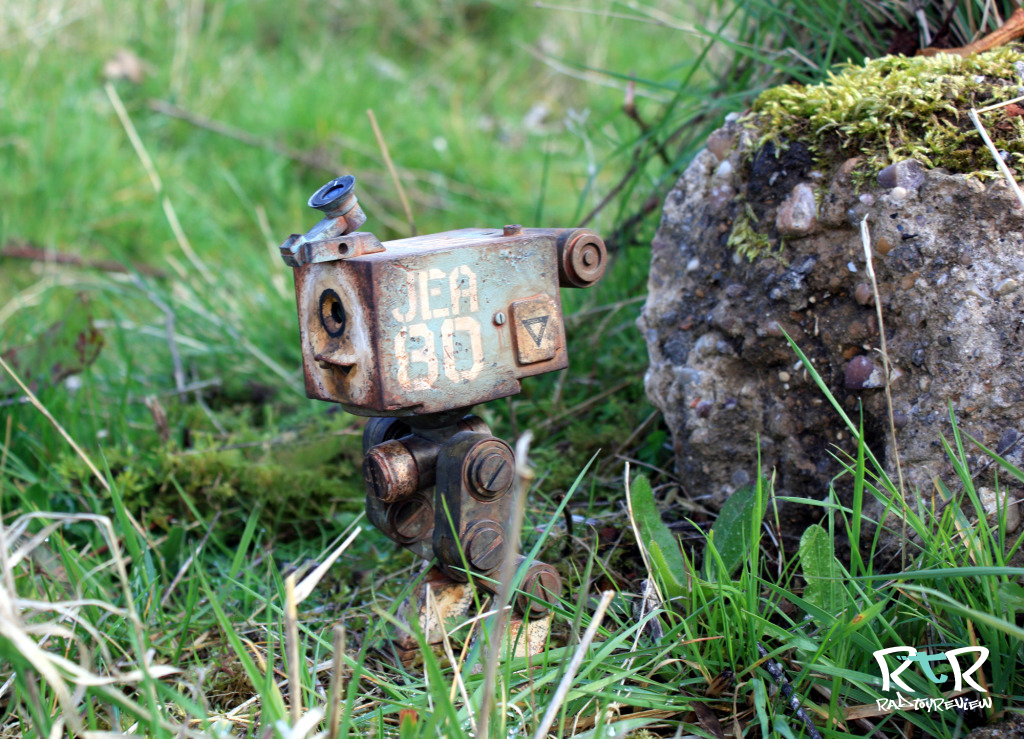
So I wanted to tweak a MK 2 square into something that might be able to move faster and could be used for reconnaissance, intelligence gathering, spotting for snipers etc.  When in trouble, it could get out of there very quickly.  It would be capable of being out in the field for days and could withstand all weathers.  I toyed with the title of a Mk 2.1 Square.
I decided to buy a second JEA Mk 2 Square to work with, because (i) I wanted the converted square to be Joint Earth Army and (ii) the original would act as reference material for the custom build.  The aim would be to modify it by reducing the size of the head to reduce it’s weight allowing a better leg power to weight ratio.
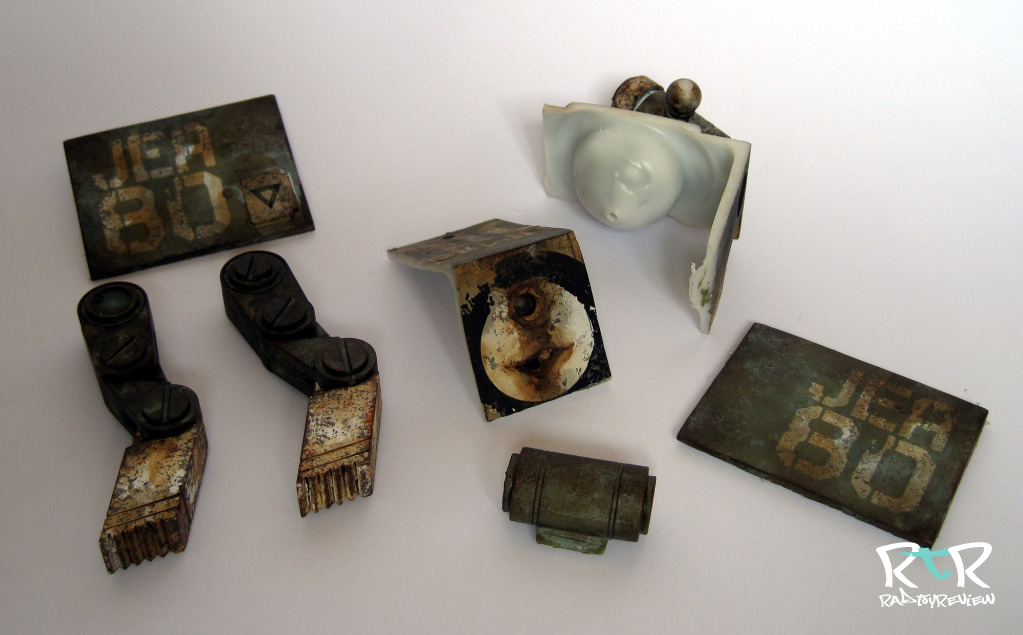
Although I wanted to reduce the size of the head I still wanted to leave enough of the front to have all the facial features there and retain the full ball joint mechanism inside.  I reckoned I could reduce the width from 75 mm to 45 mm. I was not quite sure by how much I could reduce the height, because of how big the ball socket was, until I opened the head up.
Using a fine marker/pen I drew continuous lines around the head on either side of the face. This would be where the first two cuts would go.  With a hack saw I produced four main pieces that I will bond back together later.  I was only able to remove 10 mm from the height of the head.
The pieces needed to be tidied up with a Dremel and sandpaper before gluing them together.  I realised I may need to strengthen the new structure as I was not sure if the force need to turn the ball joint might break it open.  To do this I used pieces of balsa wood bonded inside with super glue, I then strengthened the joints quite crudely using a glue gun.
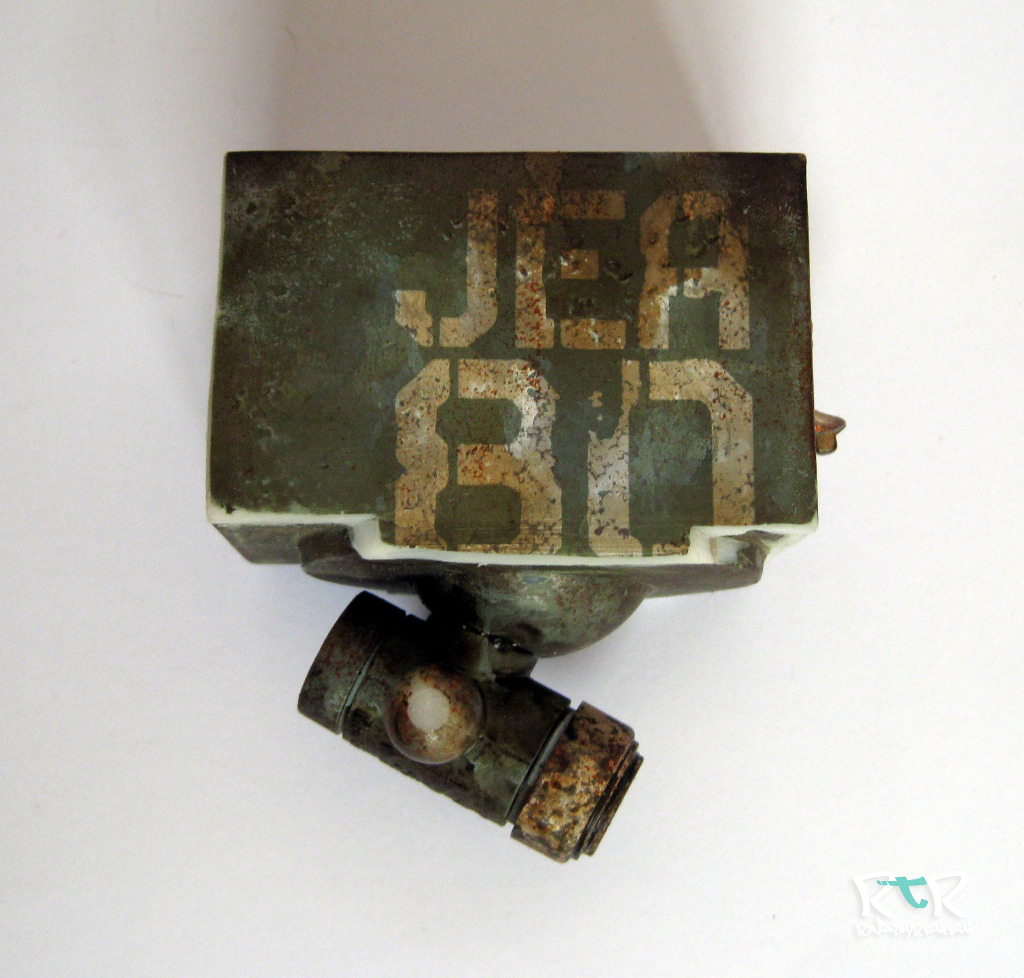
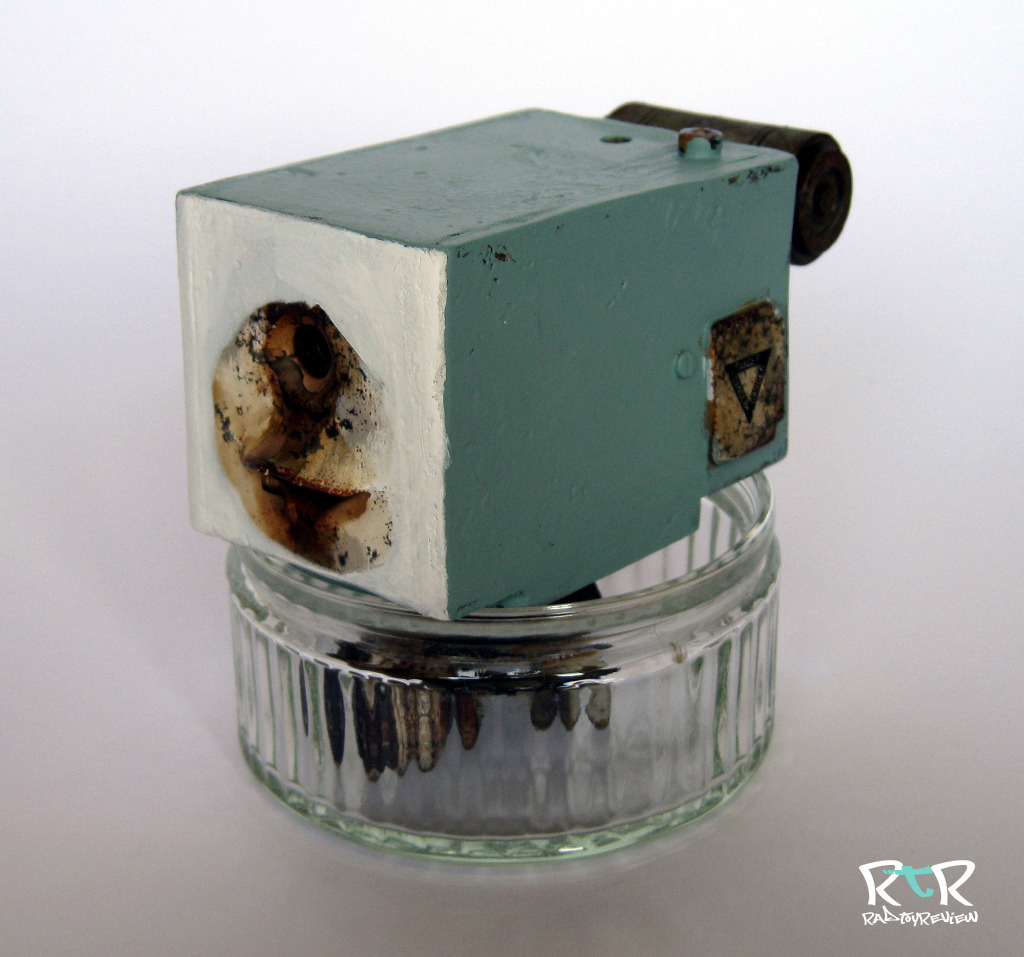
The sides were cut to size and then glued on.  Household filler was used to fill all the gaps and then sanded down.  The new dimensions of the head/body are width 45 mm, height 50 mm and length (of side) 70 mm compared to the original MK 2 Square which were, width 75 mm, height 60 mm and length (of side) which was the same.
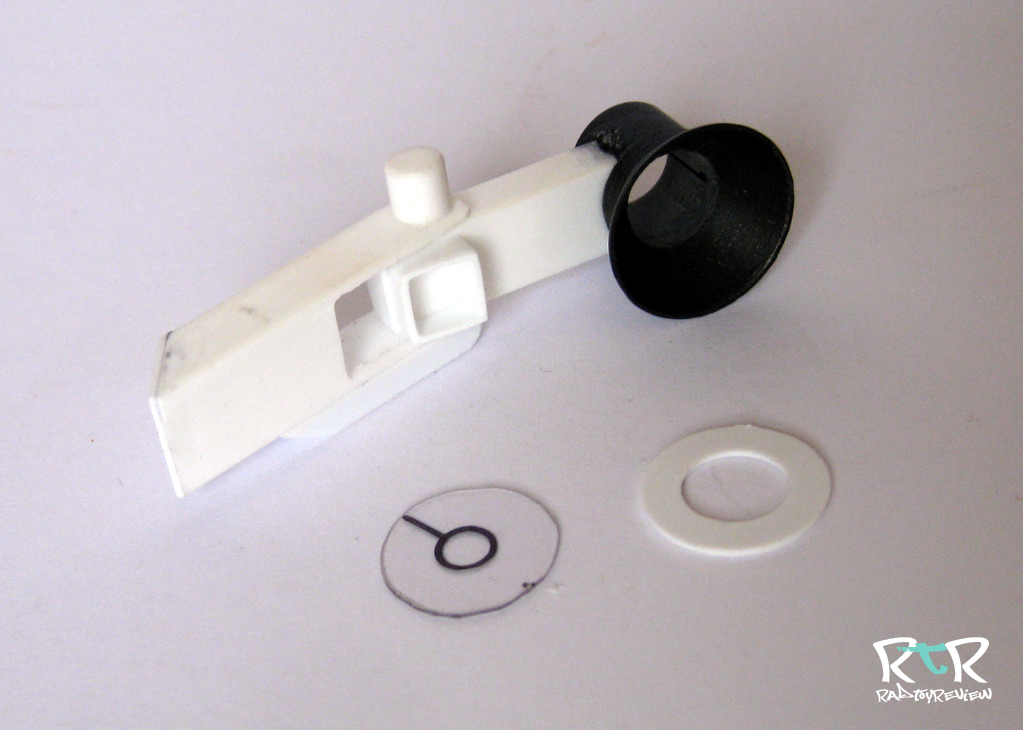
The scope was made from Evergreen Scale Models strip styrene.  I used two sizes of square section strip to make the structure, one slightly smaller than the other, so that it could be made to pivot. The pivot is just a piece of circular rod styrene.  The eye piece came from my “bits box”.  The lens is just clear styrene sheet cut to size.  The scope was glued to the head before painting.  The eye ring and lens where left off until the Square was finished.  The eye ring was sprayed black.
The conversion was always going to be a JEA Square and by using a JEA MK 2 Square I could use a lot of the square without having to paint the entire thing e.g. the legs, face, fuel tank (I assume it’s a fuel tank), body below the head etc. I would have to paint the parts of the head that had been modified. For the base colour it is always a good idea to spray paint to get a good finish but I needed JEA green!  Not like it’s immediately available amongst the colours in model stores I’ve visited.  I did venture into the realms of using a spray gun a few years back, but the time spent cleaning it was very frustrating.
I therefore elected to use Citadel acrylic paints which I would apply with a broad paint brush to give as smooth a finish as possible.  I made up the JEA green with Citadel acrylic paints (available from Games Workshop stores and hobby shops).  After a bit of trial and error, I ended up mixing mainly Astronomican Grey, with a little bit of Fenris Grey and Snot Green (don’t blame me it was the names on the pots!!).  Other colours could probably be used. Just eyeball it.
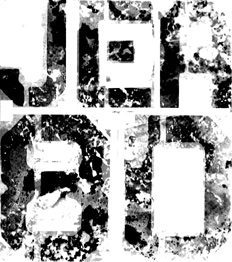
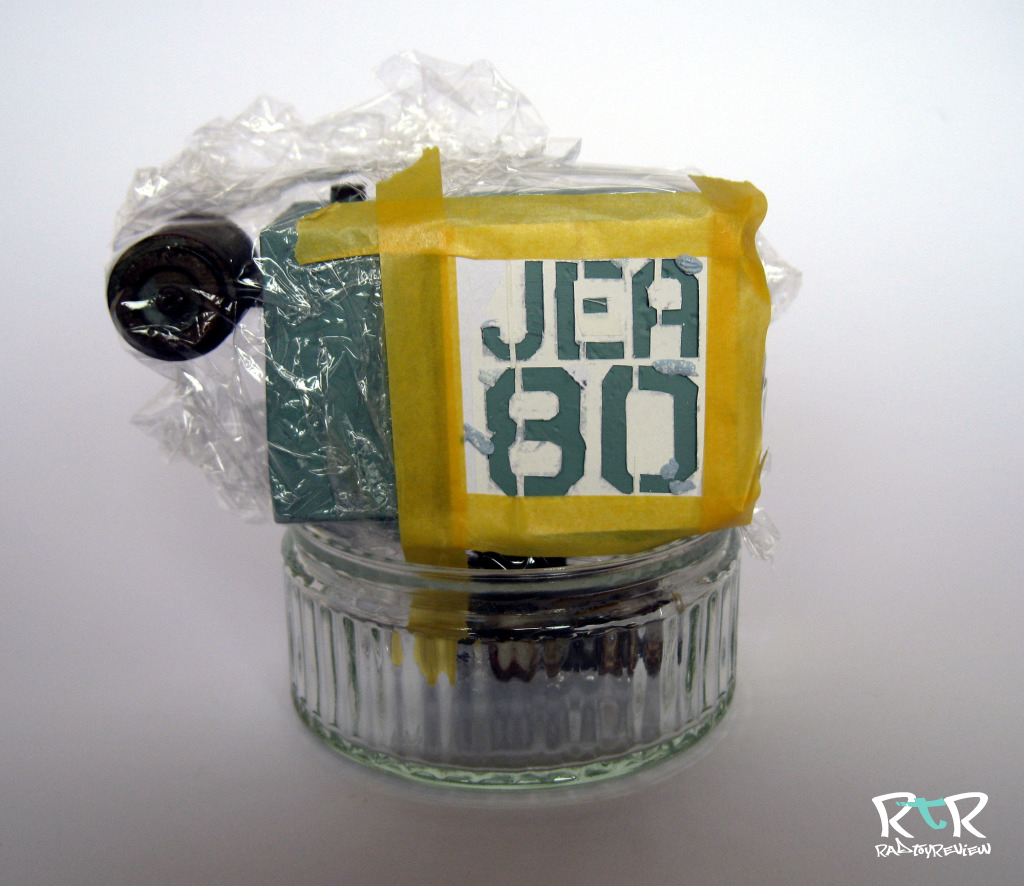
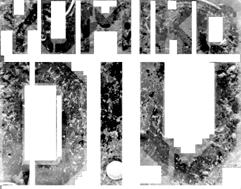
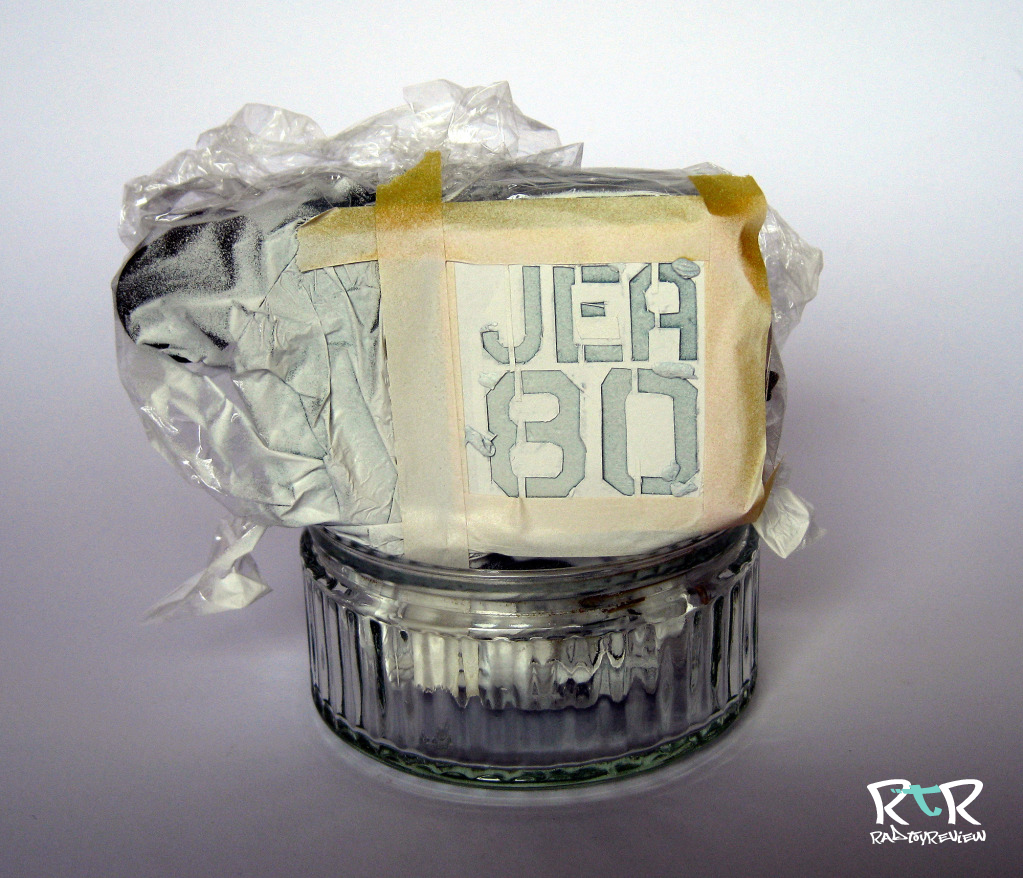
Next, it was time to apply the insignia, of which there were only two different ones ‘JEA 80’ and ‘YUMIKO DIV’.  I photographed these on my original Mk 2 Square.  Using Photoshop, I reduced the two insignia in size to better fit the new head.   They were then tweaked using ‘brightness/contrast’, ‘desaturate’ and ‘invert’.  They were printed and cut out with a sharp scalpel. I did need to suspend some of the centres of certain letters by leaving a thin strip of paper acting as a bridge.  I also made a few mistakes, but corrected them with small pieces of masking tape.  Each stencil in turn was placed in position and stuck down with Tamiya masking tape, I used cling film to cover the rest of the square.  Just before spraying I noticed that edges were lifting around some of the letters and numbers. To correct this I used small pieces of Blu Tack, which while not perfect isn’t really a problem as the insignia on ThreeA toys are often broken up to simulate weathering.  I could correct the letters and number later if necessary with white paint.
To apply the insignia I used Humbrol acrylic matt white aerosol spray. Having applied one insignia I had to strip down the masking and apply the next.  I needed to use ‘JEA 80’ twice as it was on both sides of the head.
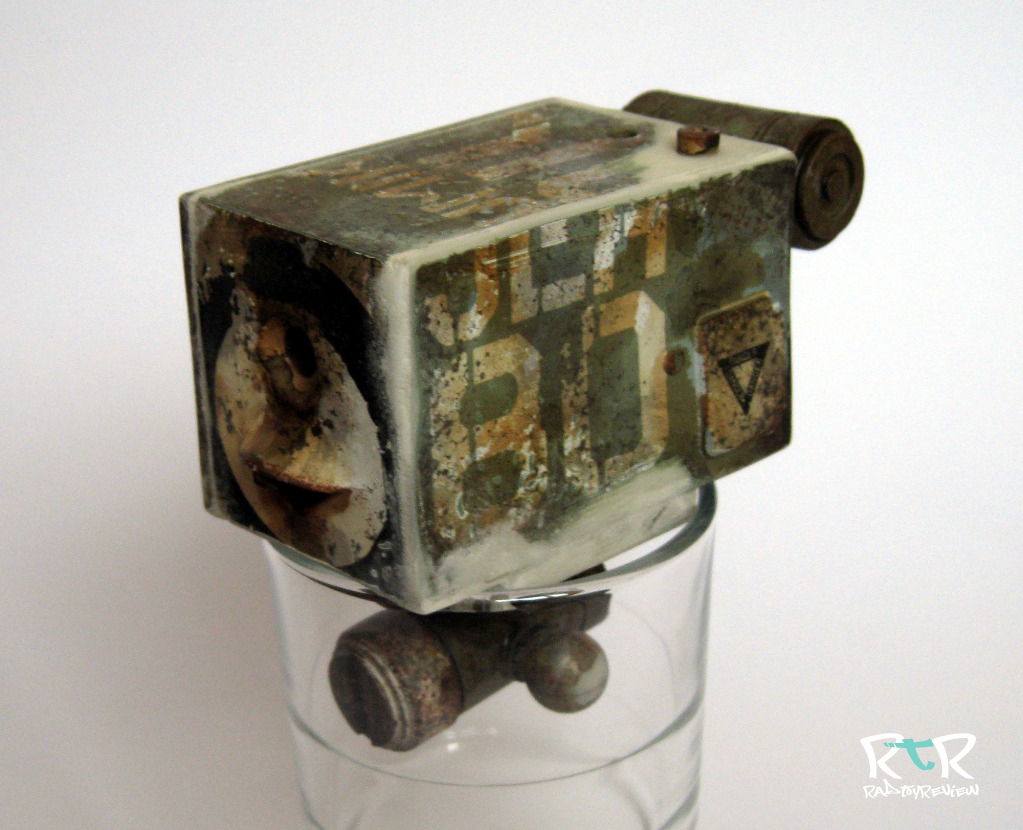
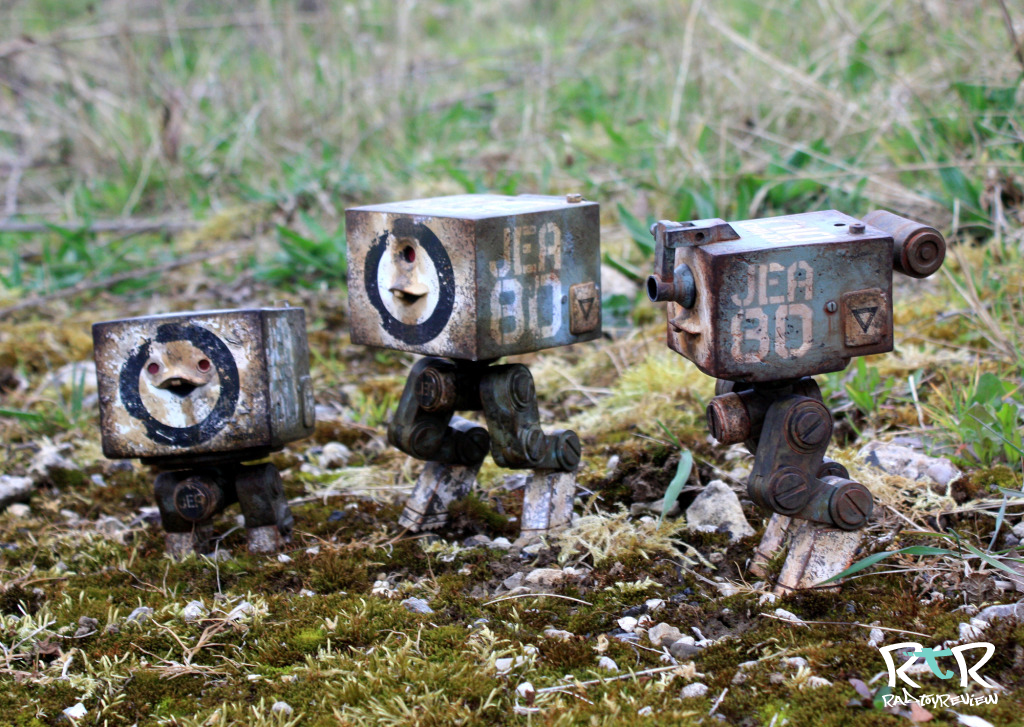
The next job was weathering.  ThreeA toys can vary in weathering and the second JEA Mk2 Square, which I converted, was more weathered than my original one.  They legs were certainly more brown, so I would have to weather the head and scope to match in with the legs.  Again, I would use Citadel acrylic paints.  I started by applying a thin wash of Dark Flesh (which is a reasonable mid rust colour) mixed with a little Chaos Black. The colour was blended into the white areas of the face.  During this early stage I painted on a ring of black around the eye.  I did this by cutting out a paper stencil, with two circles the inner one being held in place by thin strips of paper.  The stencil, cut to size, was then taped over the face and I then very carefully painted between the circles. When the stencil was removed, where the thin paper strip had been, was painted over.
The edges of the head and scope were stippled with small pieces of coarse sponge dipped in a mixture of Scorched Brown mixed with Chaos Black.  In parts the same was done with grey I mixed from Skull White and Chaos Black to represent paint chips and again with Blazing Orange mixed with a little Dark Flesh to represent rust spots.  A fine paint brush was also used with these three colours to refine and emphasize some of the stippling as well as to pick out the scratches and dents on the sides of the head.  The rust colour was used as wash to run into depressions and as trails from areas here rust might have gathered.
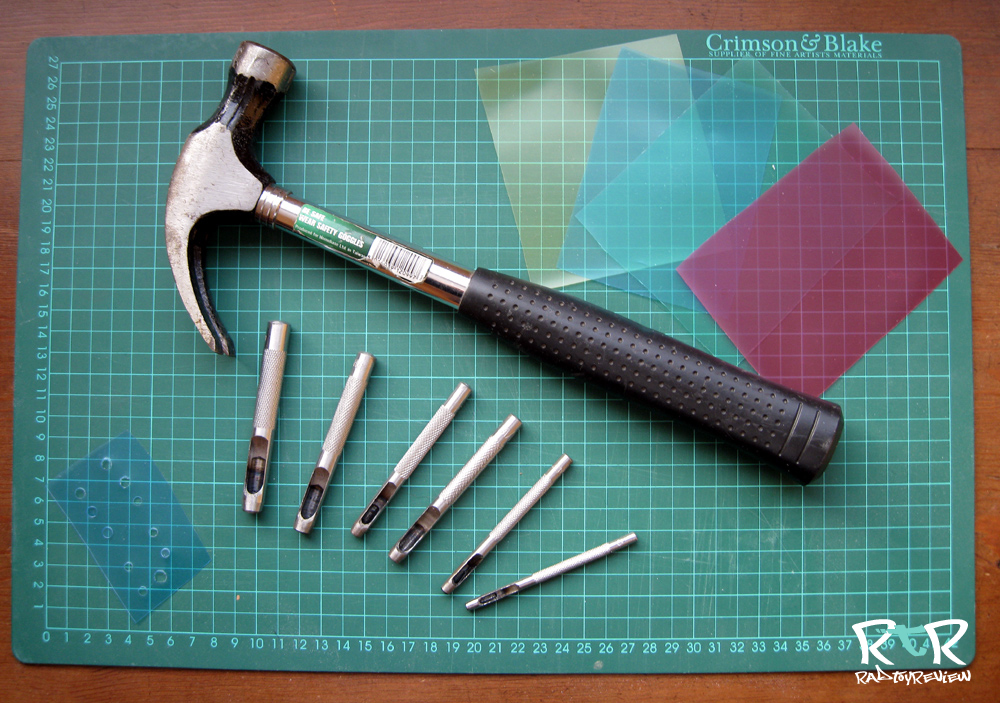
For finishing touches the inside of the scope was painted back and the lens and eye ring glued in place. I also added an eye lens after painting the eye black. I used a punch (see above picture) to cut out a 6 mm disc from shiny coloured plastic, bought as cheap folders for notes.  I got the punches on a well known online auction site, as set of sizes from 3 mm to 8mm, which work for other eye sockets I have used them for.  They will stay in place pretty well if you don’t want to risk permanent change to your 3A toy, but a touch of super glue on the edge will secure them even better.
Thanks for your interest in reading this article.
We hope you enjoyed the latest Workshop. Big thanks to Paul for once again putting this together for us. 
 We’d love to hear from you and check out what kind of customs you’re working on! Send us a shot of your latest custom work with a brief description to radtoyreview@gmail.com. 

Hit us up on Facebook or Twitter pages to stay updated whenever we post new Workshops and epic toy reviews!

Until next time!


THE WORKSHOP – Crossbow by Paul Benson

Paul kicks out another Workshop jam! Today he’s actually fulfilling a special tutorial request made by RtR reader Gwen. We were asked if we could shed some light on how to make a modern crossbow. I responded by saying that I’d do my best. It turns out my best is asking Paul!

once again with absolute flying colors..

Enjoy!

– Knives

CROSSBOW
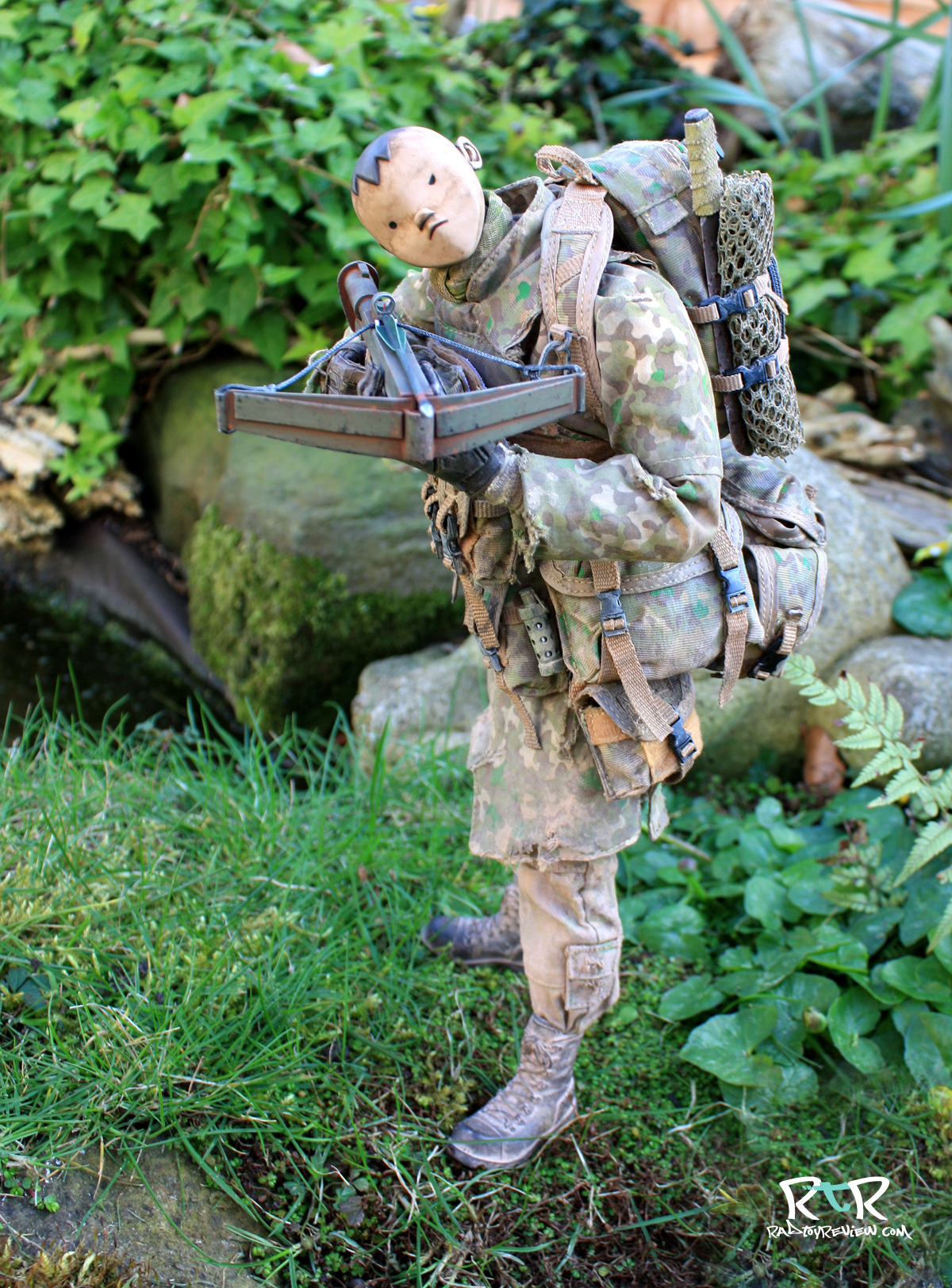
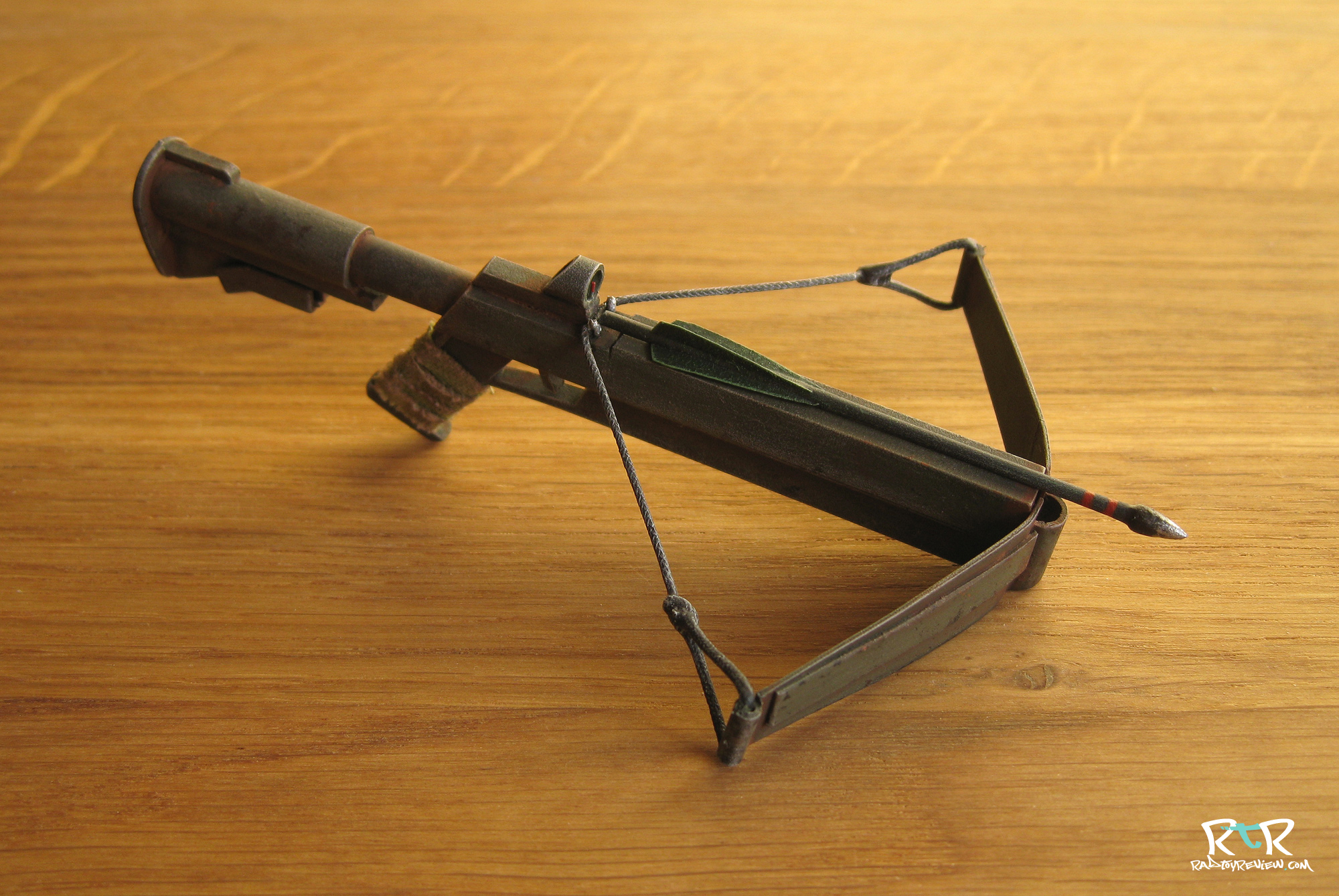
About a week ago I was asked if I could “figure out a way to make a crossbow”.  I wasn’t sure whether I would make a good job of one; but I saw it as a challenge and went for it. I scribbled down some notes below to describe how I did it.
To start the project I needed to research crossbows. I printed out a few pictures of some from a web search and pulled out my stock of Evergreen Scale Models strip styrene. I then did a sketch of the crossbow bearing in mind the strip styrene I had. To help move things along, I pulled a M4 shoulder stock out my ‘bits box’ to work into the design. You could probably cut one off of any old 1/6 rifle you have lying around. The sketch was done to the same size as the crossbow which will help in cutting the styrene exactly to size.
On to the making! In previous articles I have mentioned the materials, tools and paints I use.  Here are those tools again, if only to show the saw that was really useful in making this model. Also I want to be sure to mention the glue again, which is a thin super glue that can be obtained from Games Workshop vendors. The great thing about it is, it comes with a little brush inside which gives you loads of control.
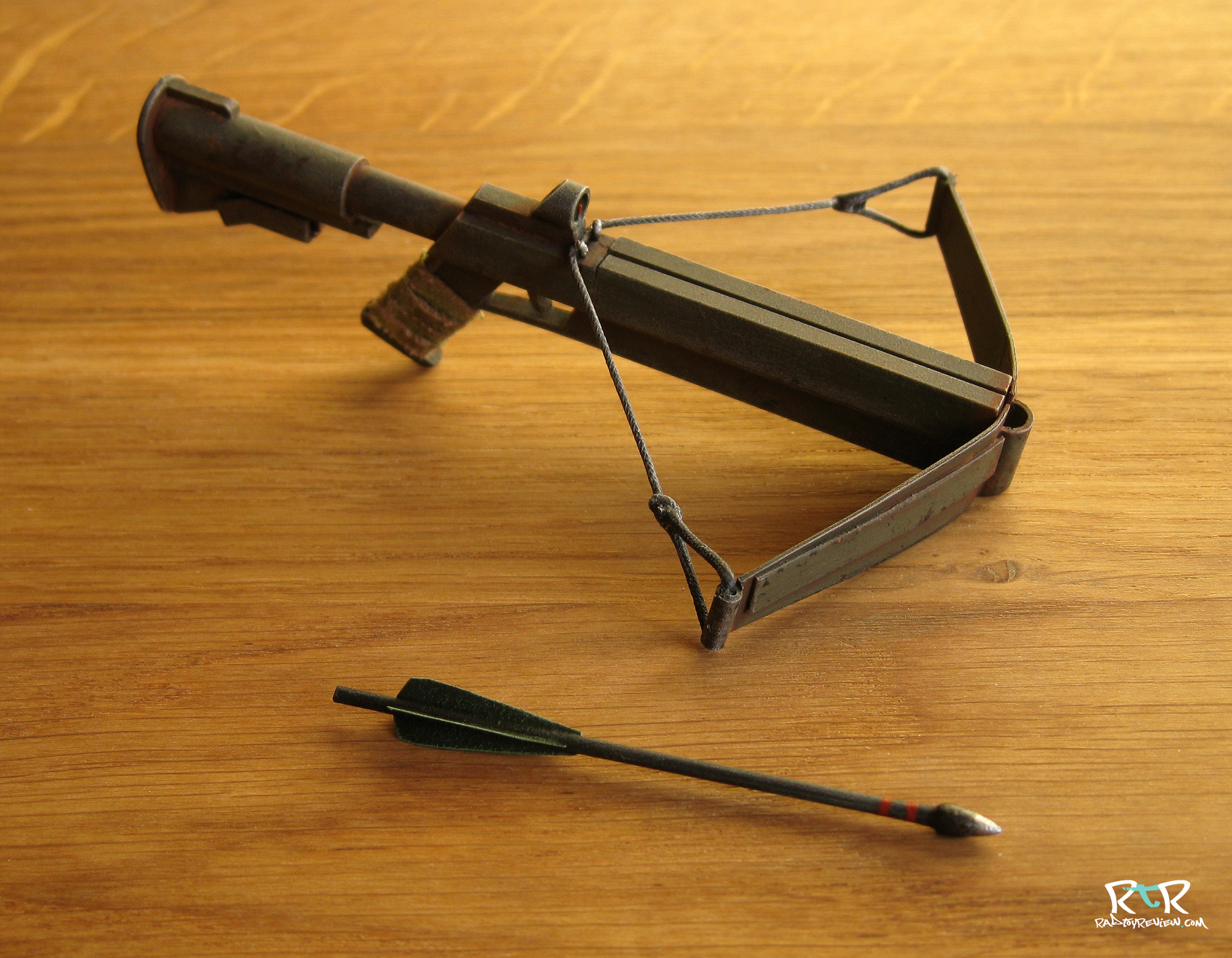
The picture below shows the crossbow with the parts labelled.  The notes below explain how the parts went together.
Part [a] is a piece of 6mm by 6mm square hollow section styrene. The rear of which has been cut at an angle. After about 20mm, the front top of the section is completely cut away to take two pieces of styrene (parts [b]) that will form the channel for the bolt fletching.
Parts [b] are two pieces of 6mm by 2.5mm solid styrene, spaced slightly apart and glued to part [a].  The gap between parts [a] and [b] are filled with super glue by simply painting into the gap several times until it was filled.
Part [c] is also a piece of 6mm by 2.5mm solid styrene glued centrally along the bottom of part [a].  I used the handy modelling saw to cut the trigger guard out from the rear of this piece.
Part [d] is another piece of 6mm by 2.5mm solid styrene.  A piece of 3mm semi circular styrene is glue to the back of this piece to shape it to be more like a hand stock.
Part [e] is the M4 shoulder stock.
Part [f] is a piece of 5mm tube which fitted perfectly into the shoulder stock and part [a].
Part [g] is a piece of 3mm by 2mm solid styrene.
Part [h] is a piece of 5mm tube styrene.  I made a sight line from some heat stretched sprue from a plastic kit (see pictures below).
Part [i] is cut from of 6mm by 2.5mm solid styrene then shaped with a scalpel and sand paper until it looks like a trigger.
Part [j] the bowstave, limb or prod (it seems to have several names) is made from 1mm sheet styrene.  To get the shape right I folder paper in half and then in half again.  I then drew a slanted line from 4mm to 6mm.  The centre of the bowstave would cover the end of parts [a] and [b] glued together.  I also cut a slot for the bolt fletching to go through.  PLEASE NOTE: If I were to attempt this crossbow again I would use slightly thicker styrene sheets for two reasons 1.it snapped under tension whilst the base coat of paint dried, being under tension may have caused this and 2 although the bowstave had a very realistic bow to it, it seemed to straighten out after a while (still not too shabby looking).  I did try to improve the bow and also make a repair by gluing two strips of 1mm styrene onto the front. I think it gave it some cosmetic interest as well as served it’s repair purpose rather well.
Part [k] is a 5mm tube styrene cut in half.
Part [l] is some type of man made fibre cord I found in the bits box.  Keep in mind that if you use thread for modelling projects you can usually see lots of fine loose threads that do not look very realistic. Choose wisely.
Part [m] the string is again a piece of cord, from a camera I believe.
Parts [n] are two pieces of copper wire cut and then slotted through two holes drilled in part [a].
Part [o] is a piece of 3mm by 2mm solid styrene.
Part [p] the bolt shaft, is a piece of copper rod.  The ‘pointy’ end is filed and then finished of with fine sandpaper.
Part [q] the fletching is made from paper.  Paper was folded in half and then in half again. A single feather half was cut to make four. These were then glued to the shaft and then painted with super glue to give them a little more thickness/strength.
Part [r] is just a thin collar cut from a cotton bud tube.  Super glue is then painted onto the end of the bolt to give a better shape.
To paint the crossbow, I first washed it in soapy water to get rid of dust and grease marks. Then I base coated it with Humbrol matte light olive aerosol paint.  Similarly, the bolt was sprayed with a matte black Humbrol aerosol paint.
After leaving the pieces out over night to dry, the crossbow was further painted with some Citadel acrylic paints and MIG weathering pigments.  First it was given a wash of Camo Green mixed with Chaos Black.  When dry, I dry brushed with Camo Green mixed with Skull White.  General wear and tear marks were made with a sponge, putting specks onto the crossbow using Dark Flesh, Chaos Black and Blazing Orange. A wash of MIG old rust was applied liberally to nooks and crannies.  While drying I blending it onto flat areas with a cotton bud.  The sight line in part [h] was painted with Blood Red.  The crossbow string was painted with Chaos Black and then dry brushed with grey made from mixing Chaos Black and Skull White.
The taping on the hand stock is just some linen wrapped around it and painted with a wash of Camo Green, dried and then glued in place.
The black bolt was dry brushed with the afore mentioned grey made from Chaos Black and Skull White.  The fletching was painted with Dark Angels Green, and then dry brushed with the same colour mixed with Skull White.  Stripes were added with Blood Red. A simple. useful trick here is to just hold a brush in place while rotating the bolt.
And FINALLY.. the pointy end was then dry brushed with Boltgun Metal.
We hope you enjoyed the latest Workshop. Big thanks to Paul for once again putting this together for us. 
 We’d love to hear from you and check out what kind of customs you’re working on! Send us a shot of your latest custom work with a brief description to radtoyreview@gmail.com. 

Hit us up on Facebook or Twitter pages to stay updated whenever we post new Workshops and epic toy reviews!

Until next time!


*MINI REVIEW* 3A Mini Dark Bertie Pack

INTRO

This isn’t so much a review as a very brief pictorial assisted by some words. For those not in the know, these lil’ guys were available during 3A’s WWR Rothchild drop. Two choices were up at the time, a DIY 20 pack and the (at the time called “dirty deeds”) Dark 12 Pack. I went with the Dark pack because I’m a fan of the Dirty Deeds color way and thought it’d be cool to see it realized on a micro scale. They both cost the same and looking back I’m not 100% sure I made the right buying decision. After all you get 8 more mini bots in the DIY.. anyway, the “deed” is done, on to the rest of this mini review!

PACKAGING

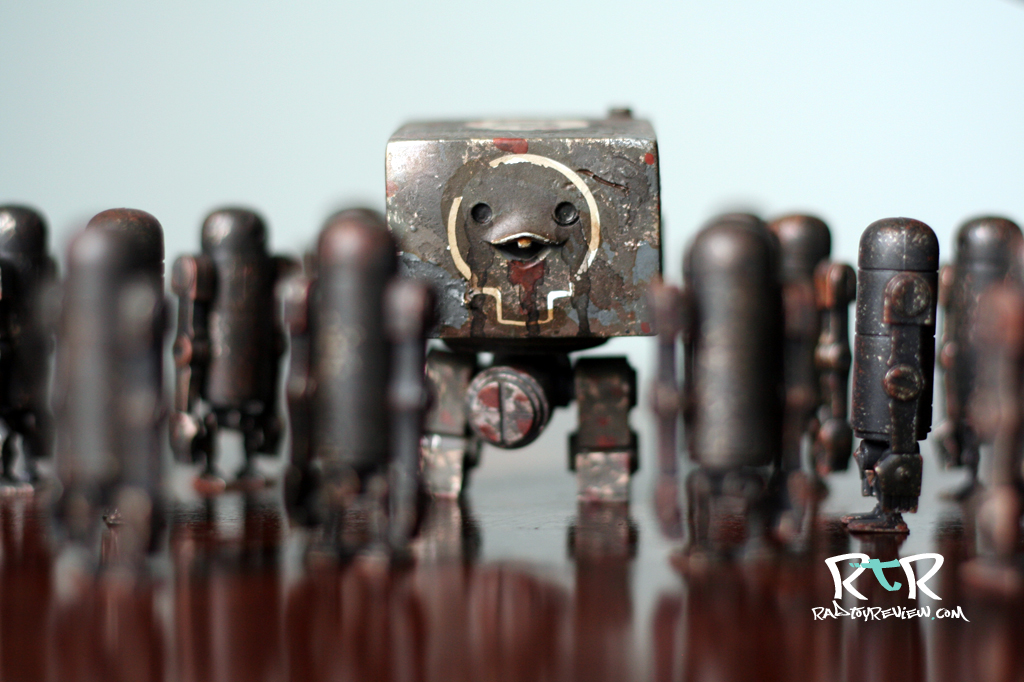
These 12 little dudes showed up in a nondescript, slightly beaten box. Unlike most 3A stuff, there wasn’t anything in the way of logo to tip me off to the contents short of the word “Singapore”. Tearing that open revealed a super simple card/bag. As you can see, the card has a cute Bertie sketch and a toss of logos on it, while the bag is uh.. clear.

WHAT’S INCLUDED

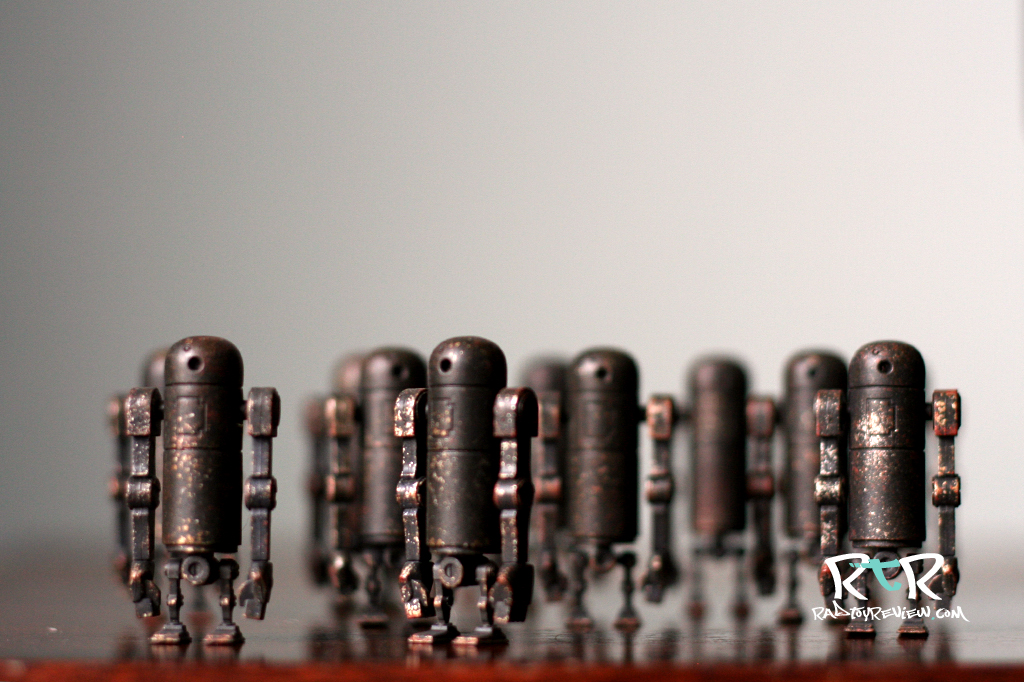
What’s included? Twelve tiny blackish Berties. Big surprise huh?

THE BREAKDOWN

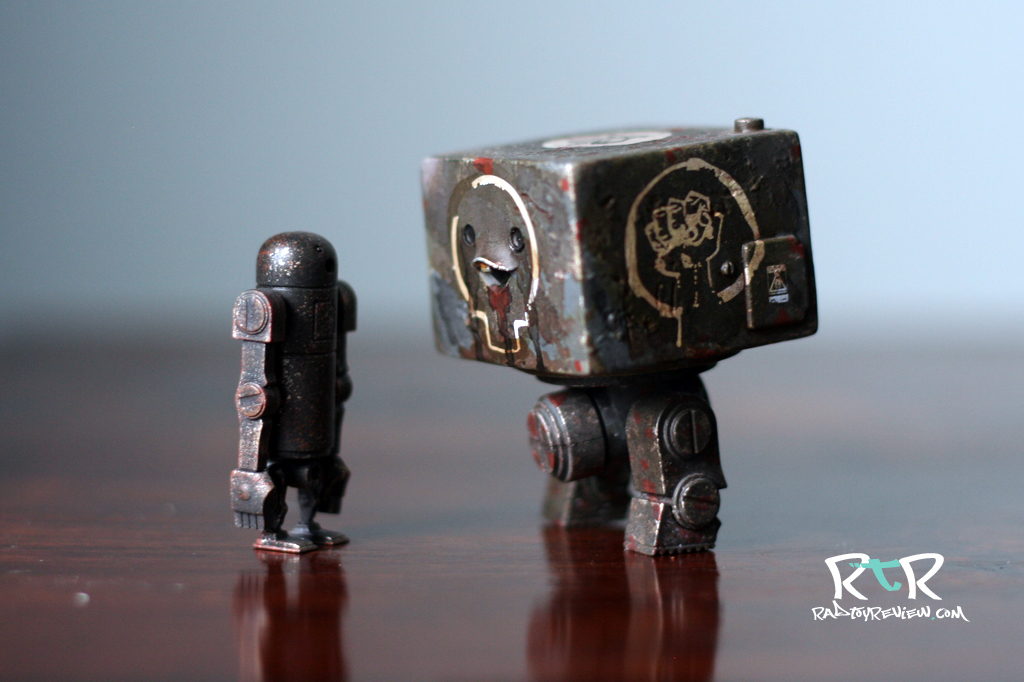
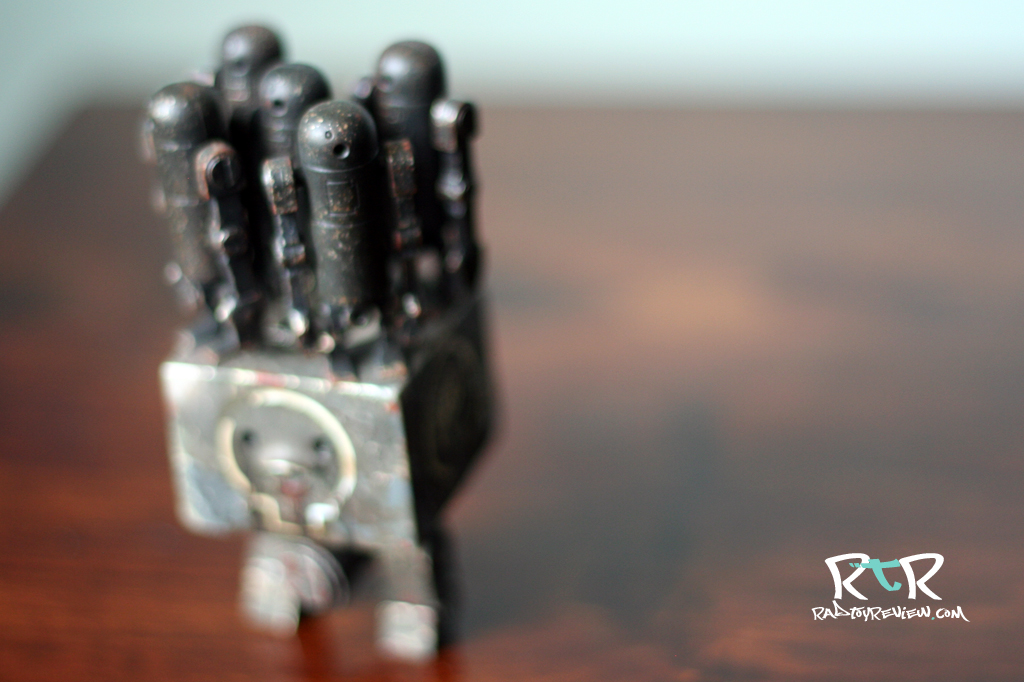
You pretty much get what you see. These guys are cute mini-me versions of their big Bertie bro’s. No articulation at all and made of a light plastic (which didn’t help when trying to take photos of them outdoors in the wind). The main reason I bought these guys over the DIY is because I thought they’d be spot on versions of Dirty Deeds, with the logos, graphics, etc.. but instead they are logo free, coated in what is essentially a base layer of paint with some sponged on “weathering” splotches. I’d much preferred more accurate and purposed  paints on them. Before anyone says “But they’re so TINY!”.. go check out the some  of the painted miniatures of Warhammer and their lot.. THOSE are tiny. Still, the paint gets the job done and what’s there looks good.

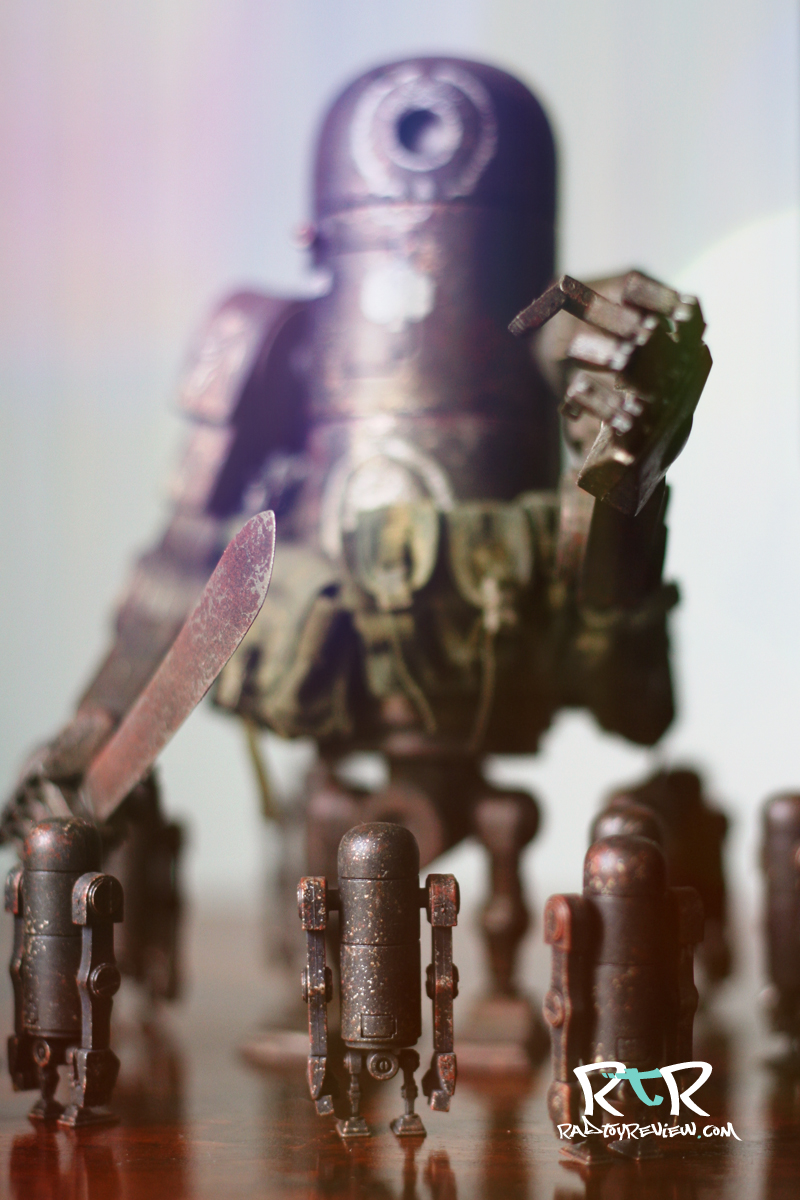
It is a bit of a marvel that 3A was able to whittle the classic Bertie form down to this scale. My mind begins to wander how cool seeing all our favorite 3A figs at this scale and sliding them across a cardboard battlefield, a’ la board game would be.

It’d been awesome if they had flexed their engineering muscles a tad more and gave us some articulation but for what they are, they’re still pretty cool accessories to your other figures. They’re like toys for our toys!

FINAL THOUGHTS

Yay! Mini Berties. They’re cool.

Depending what you’re looking for you might think the better dollar value lay at the feet of the DIY pack as it is the clear champion of the Number Games (TM). Also the paint app on the Dark pack isn’t anything that one of you DIYers with a few minutes time couldn’t quickly knock out. I really enjoyed taking some shots of these little buggers, particularly with their big brother Bertie. It’s cool to see so much personality coming off a completely non-articulated spec of plastic. I think the most exciting thing for me about them is that they get my hopes up for a WWR strategy or board game.

Pros:

  • cute mini Berties!
  • Great bot design and personality
  • Fun toys for your toys
  • Fun to customize

Cons:

  • Ya might feel like the “Dark” pack is kinda a rip compared to the DIY pack.
  • Nothing “Dirty Deeds” about the pack other than the dirty part.

Help us improve this site by letting us know what you think! Follow us on Facebook and Twitter to stay updated!